The Power of Voices in a Multilingual Classroom
- drrosadiversiverse
- Apr 22
- 3 min read

A classroom where many languages meet is more than just a place to learn vocabulary or grammar. It is a dynamic space where diverse voices come together to create shared understanding and meaning. When students speak different languages, they bring unique perspectives, experiences, and ways of thinking. This diversity enriches learning and helps build a community where everyone contributes to knowledge.
Why Voices Matter in a Multilingual Classroom
In a multilingual classroom, every voice counts. Each student’s language is a tool for expressing ideas, asking questions, and connecting with others. When teachers encourage students to use their home languages alongside the language of instruction, they validate students’ identities and promote confidence. This approach helps students feel seen and heard, which motivates them to participate more actively.
Listening to multiple voices also broadens everyone’s understanding. Students learn not only from the teacher but from each other’s stories and viewpoints. This exchange builds empathy and respect for different cultures. It also challenges stereotypes and opens minds to new ways of thinking.
Building Meaning Together Through Interaction
Meaning is not something a teacher simply delivers. It is constructed through interaction among students and teachers. In multilingual classrooms, this process is especially rich because it involves negotiating meaning across languages and cultures.
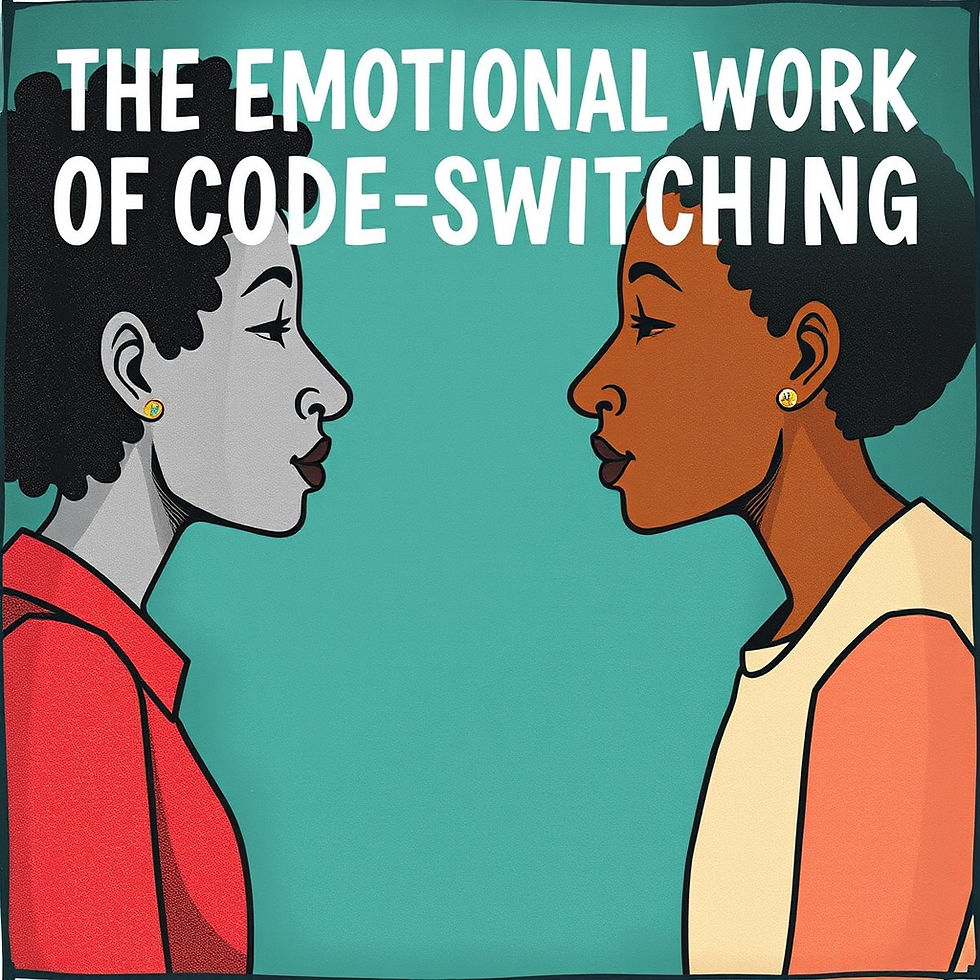
For example, when students work in groups, they often switch between languages to explain concepts or solve problems. This code-switching is not confusion but a strategy to deepen understanding. It allows students to clarify ideas in the language they know best before expressing them in the classroom language.
Teachers can support this by creating activities that require collaboration and discussion. Tasks like storytelling, debates, or project-based learning invite students to share their knowledge and listen to others. These interactions help students build meaning together, making learning more meaningful and memorable.
Practical Strategies to Amplify Voices
Teachers play a key role in creating a classroom environment where all voices can flourish. Here are some practical strategies to amplify student voices in a multilingual setting:
Encourage use of home languages
Allow students to discuss ideas in their first language before sharing in the classroom language. This builds confidence and ensures deeper comprehension.
Use visual aids and gestures
Support communication with pictures, diagrams, and body language. These tools help bridge language gaps and make ideas clearer.
Create small group discussions
Smaller groups give quieter students a chance to speak and express themselves without pressure.
Incorporate culturally relevant materials
Use texts, stories, and examples that reflect students’ backgrounds. This shows respect for their cultures and makes learning more relatable.
Ask open-ended questions
Questions that invite explanation rather than yes/no answers encourage students to elaborate and share their thoughts.
Celebrate linguistic diversity
Highlight the value of different languages and dialects. This can be done through language days, multilingual displays, or sharing common phrases.
Challenges and How to Overcome Them
Multilingual classrooms come with challenges. Teachers may struggle with limited resources or feel unsure how to manage many languages at once. Students might feel isolated if their language is not widely spoken.
To address these challenges:
Provide professional development
Training on multilingual education helps teachers learn effective methods and build confidence.
Use technology
Translation apps, language learning platforms, and multimedia resources can support communication and learning.
Build partnerships with families
Engaging families in the classroom helps bridge home and school languages and cultures.
Create a supportive classroom culture
Establish clear rules about respect and inclusion. Encourage students to appreciate differences and support each other.
The Impact on Student Learning and Identity
When students’ voices are heard and valued, their academic performance improves. Research shows that students who maintain their home language while learning a new one develop stronger cognitive skills and better literacy overall. They also have higher self-esteem and a stronger sense of identity.
A multilingual classroom that values all voices helps students become confident communicators and critical thinkers. They learn to navigate different cultural contexts and develop skills that prepare them for a globalized world.

Creating a Lasting Community of Learners
The power of voices in a multilingual classroom goes beyond language learning. It builds a community where students feel connected and respected. This community supports social and emotional growth, helping students develop friendships and a sense of belonging.
Teachers who foster this environment create a space where learning is a shared journey. Students learn to listen actively, express themselves clearly, and appreciate diversity. These skills are essential for success in school and life.


Comments